


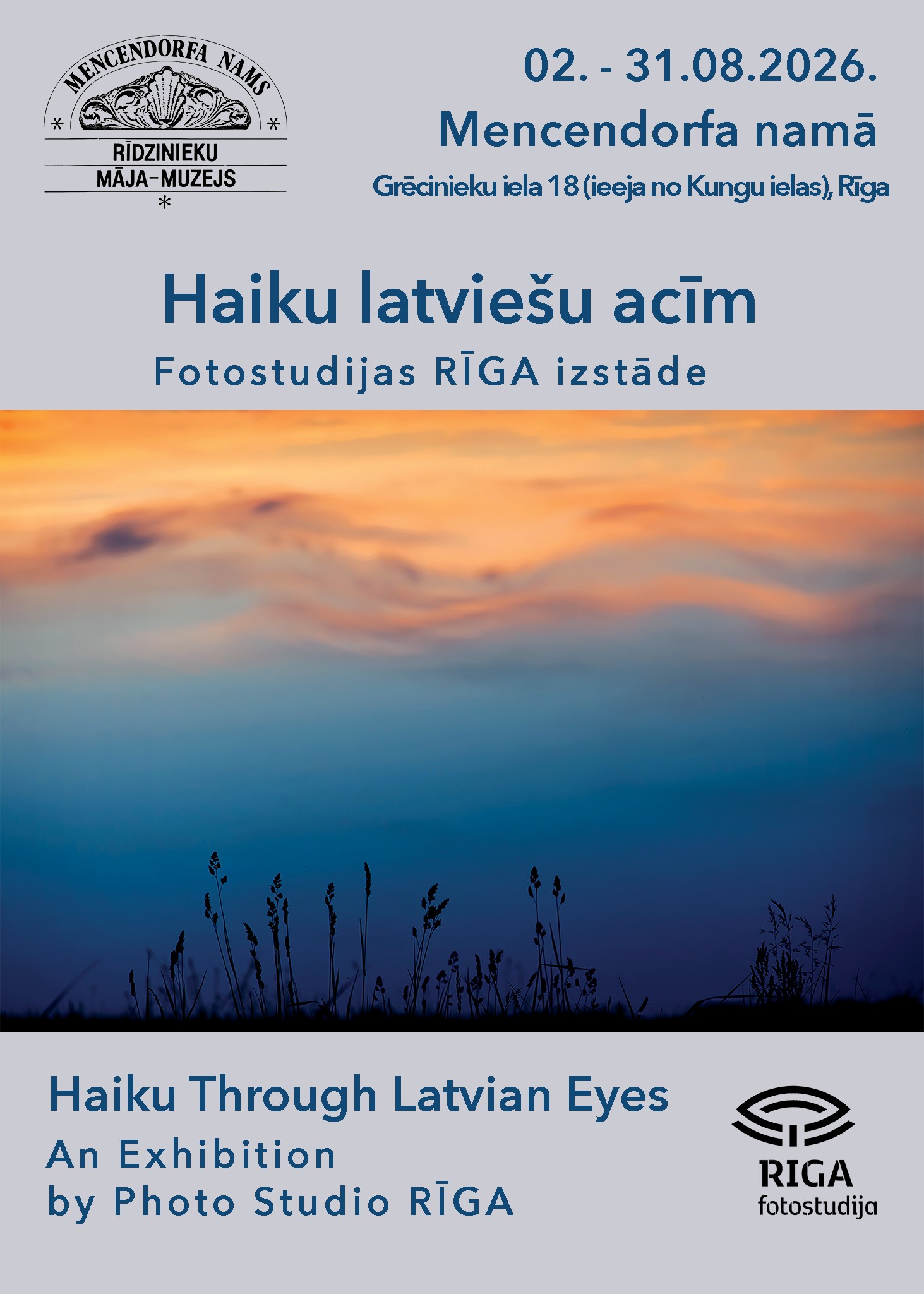
Haiku through Latvian Eyes – an exhibition by the photo studio “Rīga”
The exhibition “Haiku through Latvian Eyes” by the photo studio “Rīga” is on display at the Exhibition Hall of the Mentzendorff’s House from August 2 to 31.
The exhibition “Haiku through Latvian Eyes” is designed as a cultural dialogue between Latvia and Japan. Here, photography meets the aesthetics of the Japanese poetry form – haiku. “Haiku reveals a strong sense of the unity of nature and man. Poetic still frames of pulsating moments of life, which contain a deep philosophical insight into life. The central theme of the exhibition is our journey in the flow of time at this moment, using our own emotional experience, which in the haiku tradition means the spiritual path of each person,” about the message of the exhibition says Silvija Danelsone, the head of the photo studio “Rīga”.
The exhibition features 15 authors, members of the photo studio “Rīga”: Silvija Danelsone, Ineta Freimane, Sandra Eglite, Inese Grizāne, Dacīte Beķere, Sigita Rušiņa, Līga Blome, Zaiga Šteina, Laura Kalniņa, Mārīte Meļņika, Mārtiņš Linē, Krišjānis Šmits, Ēriks Biters, Eva E. Čūdere and Inese Kalniņa. The exhibition features more than 60 photographs, each with an accompanying associative haiku in Latvian and Japanese.
The photo studio “Rīga” is a creative collective of photo artists, whose activities are based on process and collaboration. In creating the exhibition, the participants were inspired by the haiku collections rewritten by Guna Eglīte: “Shadow of the Grass, Shadow of the Dragonfly” (1986), “Light of the Firefly” (1997), “With the Haiku Poet in the Woods” (2006), “Shadow and Light” (2006), as well as from Tom Lowenstein’s “Haiku Revelation” (2007). The photo artists also studied in depth the work of Japanese culture and classical haiku authors Matsuo Basho, Kobayashi Isa, Joss Buson, etc., which is publicly available on the web. Artificial intelligence has been used as an auxiliary tool in the process of cognition, which acts as a bridge between cultures and a guide in the knowledge of the haiku tradition.
“The awareness of the secrets of nature, the movement of time, the calm silence, and various images in our photographs invite viewers to an emotional journey of sensory experience, where every moment becomes a meditation. They intertwine the minimalism of Japanese haiku with the Latvian sense of light, nature, and mood.
The leitmotif of the exhibition is Matsuo Basho’s insight: “Do not follow in the footsteps of the old masters; seek what they sought.” This philosophy is translated into photography as the ability to see the essential – in light, silence, and presence,” reveals Silvija Danelsone, the head of the photo studio.
The exhibition is an invitation to stop, stop the flow of time, and let photography become silent poetry.
The photo studio expresses its sincere gratitude to everyone who has dedicated their time and knowledge to consulting, helping to better understand everything necessary for the preparation of the exhibition. The support, advice, and suggestions have been very valuable.
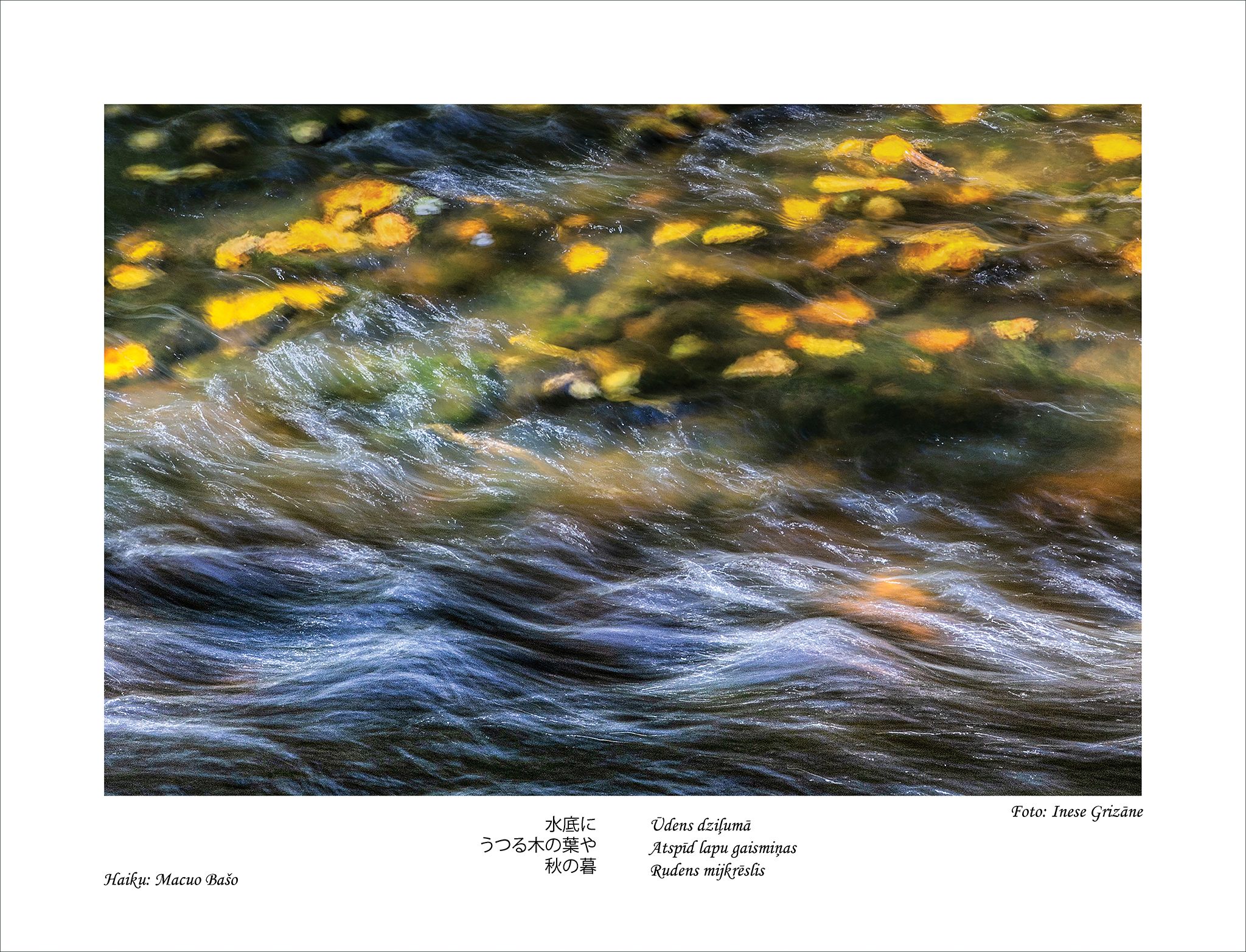
“Reflections” – pfoto by Inese Grizāne at the exhibition “Haiku through Latvian Eyes” at the Mentzendorff’s House.
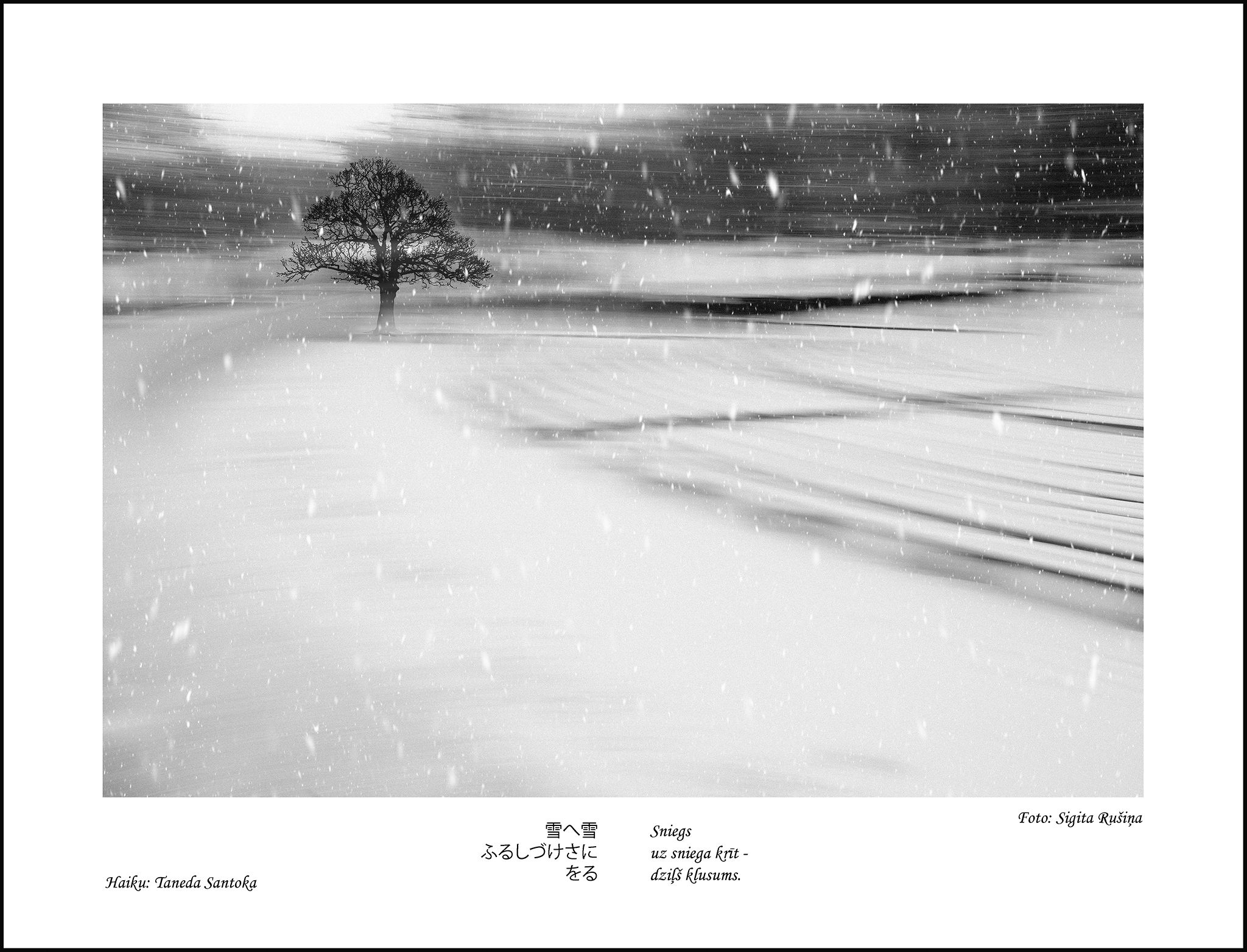
“Snow” – pfoto by Sigita Rušiņa at the exhibition “Haiku through Latvian Eyes” at the Mentzendorff’s House.
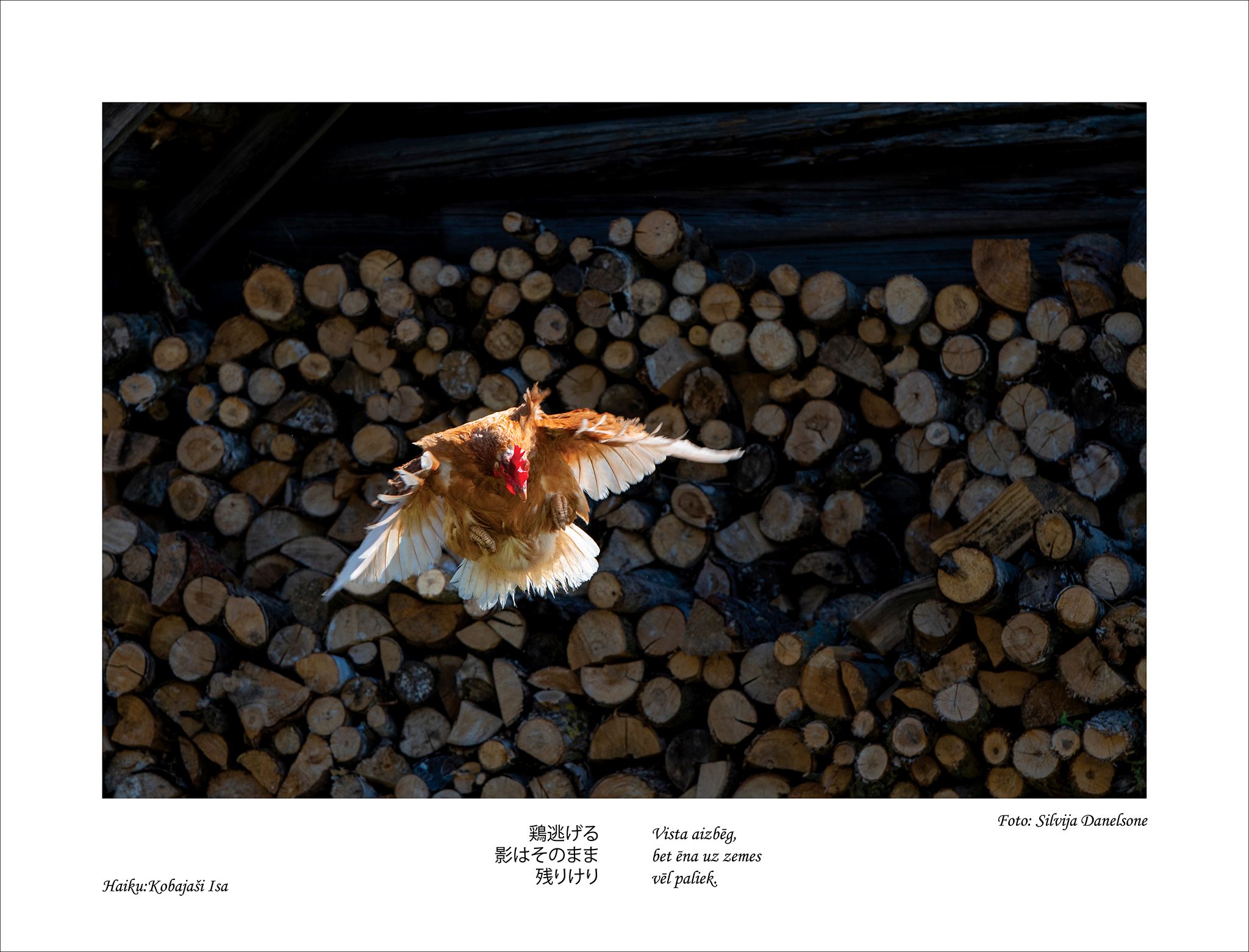
“Hen” – pfoto by Silvija Danelsone at the exhibition “Haiku through Latvian Eyes” at the Mentzendorff’s House.